

Table of Contents
Intoduction:
Launching a Market Plan Startergy new product is simultaneously one of the most challenging and exciting moments in your company’s life cycle. Even a better product might not be able to secure the market on its own. To succeed, however will take more than strategy. Success requires readiness, a profound knowledge of customer requirements and the competitive environment. This is the point where Go To Market Plan is Very Crucial. A solid GTM plan helps businesses maximize their product’s potential, focus on the exact customers they want to reach, differentiate themselves in a competitive market and shepherd prospects from awareness through purchase.This blog is covered by financeinfo.
It’s about more than marketing - it’s about clearly defining what product we have and who wants it, aligning (not just coordinating) the Product with Sales, Operations, Customer Success, Leadership etc. around a set vision and clear execution road map for how that’s going to be delivered to those who want it most. In this comprehensive guide I’m going to show you exactly how to write a Market Plan Startergy that we use at Growth Engineers, Building together from scratch an actionable and strategic plan for the real world.
Why You Need a Go To Market Plan Startergy?
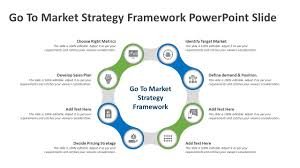
A Go-to-Market plan is the strategy a company uses to launch a product and get it into the market quickly and effectively, then continue getting ongoing traction. Whereas a business strategy is more broad, a GTM plan is very product or service specific as it hone sin on how to launch the product, sell or generate demand and scale. It makes certain that the company knows definitively who their target customer is, what problem they are solving and how they will get attention, deliver value and convert prospects into raving fans.At its essence, the purpose of a GTM plan is to connect product development with market adoption. By bringing teams into line, with crisp messaging, sales processes and customer journey maps in place, a business can reduce its exposure to risk and puts its investment in innovation to work.A Market Plan Startergy is essential for any business launching a new product, entering a new market, or targeting a fresh customer segment.
One of the biggest reasons you need a GTM plan is risk reduction. It helps you understand your target audience, identify their needs, analyze the competition, and position your product effectively. Instead of guessing what customers want, you launch with confidence backed by research and strategic insights.A strong GTM plan also ensures team alignment. Product, marketing, sales, operations, and customer support work together under a shared vision and execution roadmap, preventing miscommunication and wasted resources. Additionally, it improves efficiency and speed to market, helping you prioritize actions, allocate budgets wisely, and avoid costly mistakes.
Do Your Market Plan Startergy and Customer Research to Establish Strong Foundation?
The basic step to start a strong GTM plan is to do the market research. This requires understanding the customer’s requirements, buying behavior, market dynamics and competition pricing dynamics. Without context, the best products won’t be enough. And, as important, you need to determine where your customers hurt what are the unique challenges your prospects go up against? Surveys, interviews, data, and social listening are all tools to help you uncover insights that influence positioning, messaging and product improvements.Before launching any product, the most critical step is conducting thorough market plan strategy work and customer research. These foundational activities ensure that every decision you make from product features to pricing to marketing messages is rooted in real data rather than assumptions.A strong foundation begins with understanding the market landscape.
This includes analyzing industry trends, identifying opportunities, spotting potential threats, and evaluating where your product fits within the competitive environment. Without this knowledge, even a promising idea can fail to resonate with the market.Customer research takes this foundation a step deeper. By studying customer behavior, preferences, challenges, and motivations, you gain real insight into what your audience truly needs. Surveys, interviews, competitor reviews, and social listening are valuable tools for uncovering customer pain points and what solutions they are actively seeking. This research not only validates your product concept but also guides your value proposition, messaging, and positioning.A wellexecuted market plan strategy and customer research phase helps avoid costly mistakes, ensures you target the right audience, and gives you the clarity needed to build a compelling product launch. Ultimately, this strong foundation sets the stage for a successful and high-impact Go To Market plan.
Develop both an Ideal Customer Profile (ICP) and Know Who You Are Targeting
A Market Plan Startergy needs clear customer targeting. Rather than spraying the water of word out to sea, successful companies focus their outreach on the customers most likely to adopt and derive value from their product. That means segmenting your audience based on factors such as demographics, psychographics, behavior, industry or company size and distilling that data down to an Ideal Customer Profile.An ICP defines the attributes of an ideal customer, that is a customer with the highest need and long-term value. This clarity enables you to customize messaging, pricing, channels of marketing and sales approach for those who will get the most value out of your offering. Knowing your ICP also enables you to allocate resources, be more efficient with campaigns, and increase conversions.
Developing an Ideal Customer Profile (ICP) is a vital step in building a successful Market Plan Startergy because it clearly defines the type of customer who will benefit most from your product. An effective ICP goes beyond simple demographics; it includes behavioral patterns, pain points, challenges, buying motivations, and the specific outcomes customers are seeking. By identifying these traits, you gain a deeper understanding of who your product is designed for and why they need it. This clarity allows you to tailor your messaging, product features, pricing, and marketing campaigns with pinpoint accuracy.Knowing who you are targeting also ensures that you allocate resources wisely. Instead of trying to reach everyone, you focus only on high-value prospects who are most likely to convert and remain loyal. When you align your sales, marketing, and product strategies around a well-defined ICP, your entire organization becomes more efficient, customer-centric, and positioned for long-term growth.
Develop a Strong and Persuasive Value Proposition:
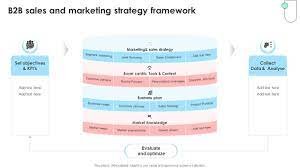
Developing a strong and persuasive value proposition is one of the most important steps in ensuring your product stands out in a competitive market. Your value proposition is the central message that communicates why customers should choose your product, what problem it solves, and how it delivers unique benefits compared to other solutions. Without a clear value proposition, even a great product can struggle to gain attention because customers may not immediately understand what makes it valuable or different.A powerful value proposition begins with a deep understanding of your customer’s pain points. Every customer is searching for a solution that addresses a specific frustration, inefficiency, or unmet need. By identifying these pain points through research and real customer feedback, you can position your product as the answer to their problem. When customers instantly see that your product solves something meaningful in their lives or businesses, they are far more likely to engage and convert.
However, a strong value proposition is more than identifying a problem it must also highlight what sets your product apart. This is where your Market Plan Startergy unique differentiators come into play. Perhaps your product is faster, easier to use, more affordable, more reliable, or more innovative. Maybe it offers features competitors don’t have or provides a superior customer experience. These unique qualities should be clearly communicated so customers understand why your product is the best choice in the market.Clarity and simplicity are vital. Your value proposition should be short, easy to understand, and focused on direct benefits. Avoid complicated language or vague claims. Instead of general statements, offer specific, measurable outcomes such as reduce processing time by 40% or save two hours every week. Tangible benefits create trust and make your message more persuasive.
Situate Your Product” in the Market Plan Startergy:
Product positioning is how you shape customers’ perceptions of your product. Effective positioning tells your customer where your product fits in, why that matters, and how you stack up against the alternatives. Positioning should be based on what the customer wants, what’s not being provided by your competitors and where you have something special to offer. This story is essentially the foundation of your brand messaging, marketing and sales conversations. The clearer Market Plan Startergy you can communicate your story, the more readily clients understand how the product improves their lives or businesses. To situate your product successfully, start by analyzing your competitors. Identify what they offer, how they position themselves, and where gaps or weaknesses exist. Understanding competitor strengths and blind spots gives you the opportunity to place your product in a unique and appealing space one where it can stand out and capture attention. This strategic differentiation helps customers clearly see the advantage of choosing your solution over others.
Next, align your product’s features and benefits with the needs and desires of your target audience. Customers should immediately recognize how your product solves their specific problems or delivers outcomes they value. Whether your product offers speed, convenience, affordability, innovation, or superior service, your positioning must emphasize the qualities that matter most to your audience.Consistency is key. Your product positioning should guide your messaging across all touchpoints website content, ads, social media, sales scripts, and branding. When your Market Plan Startergy product is clearly and confidently situated within the market, customers better understand its value, trust your brand, and feel more compelled to choose your solution over competitors. Ultimately, strategic product placement is a powerful driver of visibility, differentiation, and long-term success.
Set up a Pricing that Encourages Adoption and Expansion
Market Plan Startergy has a strong effect on customer acceptance, perceived value and competition position. There are many pricing models that work well in different markets and for different types of products. You could have pricing like subscription, tiered, freemium, cost-plus, usage-based or value-based.The right pricing model meets customer expectations, mirrors what your product is worth and helps you achieve your revenue targets. Using pilots or beta programs to test your pricing can help you determine how customers react and refine your pricing model beforehand.Setting up a pricing strategy that encourages both adoption and long-term expansion is a critical component of a successful market plan. The right pricing not only attracts customers at the early stages but also motivates them to continue using your product and upgrade as their needs grow.
Begin by understanding your customers’ willingness to pay. Through market research, competitor analysis, and customer interviews, you can identify the pricing range that feels fair and appealing. Your pricing model should align with the benefits your product provides whether it saves time, reduces costs, increases productivity, or offers unique features. Clear and transparent pricing builds trust and reduces friction during decision-making.To encourage expansion, consider adopting a tiered or usage-based model. This allows customers to start with a lower cost entry point and scale up as they derive more value from the product. Offering add-ons or premium features also creates room for upselling and cross-selling. Additionally, periodic discounts, trials, and introductory offers can accelerate adoption and help customers experience the product firsthand.A well designed pricing strategy not only drives initial conversions but also supports revenue growth, customer loyalty, and long-term product success.
Choose the Appropriate Sales and Distribution Channels
Choosing the appropriate sales and distribution channels is a crucial step in ensuring your product reaches the right customers in the most efficient and impactful way. The channels you select directly influence how easily customers can discover, evaluate, and purchase your product—ultimately shaping your overall Go-to-Market success. To choose the best channels, you must first understand where your target audience spends time, how they prefer to buy, and what type of buying journey they follow.Begin by evaluating the nature of your product. Some products benefit from direct sales because they require personalized demonstrations or complex explanations. Others thrive in digital environments, where customers prefer quick, self-service purchasing. E-commerce platforms, online marketplaces, retail stores, partner networks, and direct sales teams are all viable options, each suited to different customer behaviors and industries.
Equally important Market Plan Startergy is assessing your internal capabilities. Selecting channels that align with your resources, budget, and operational strengths ensures smoother execution. When appropriate, combining multiple channels—such as online sales paired with reseller partnerships—can expand your reach and strengthen market presence.Ultimately, the right mix of sales and distribution channels enhances accessibility, supports customer preferences, and maximizes conversion opportunities. By placing your product exactly where your customers are most likely to buy, you significantly increase adoption, satisfaction, and long-term growth.
Build a Cohesive Marketing Strategy
Your Market Plan Startergy is your marketing strategy in action. It involves brand storytelling, messaging frameworks, campaign strategies: content creation, as well as demand generation. Marketing efforts should raise awareness, educate the market and bring leads to you that are ready to meet your product.Your marketing plan should detail that, specifically noting tactics like content marketing, digital advertising, social interaction and reactivity on social channels, influencer association or partnership building, direct email campaigns and public relations. Consistency is critical – every message and touchpoint should consistently drive home your value proposition and positioning.Building a cohesive marketing strategy is essential for ensuring that your Go-to-Market plan effectively reaches your target audience and drives conversions. A strong marketing strategy aligns messaging, branding, and campaigns across all channels, creating a consistent experience that resonates with customers and reinforces your product’s value proposition.
Consistency not only strengthens brand recognition but also builds trust, credibility, and loyalty over time.Begin by clearly defining your marketing objectives. Are you focused on raising awareness, generating leads, driving conversions, or supporting customer retention? Once your goals are established, identify the key messages and themes that communicate your product’s benefits, differentiation, and value to the target audience. Your Market Plan Startergy messaging should directly address customer pain points and showcase the unique advantages of your solution.Next, select the marketing channels that best reach your audience. This could include social media, email campaigns, content marketing, search engine marketing, influencer partnerships, or events. The choice of channels should reflect where your customers spend time and how they prefer to engage with products like yours.Finally, Market Plan Startergy integrate tracking and analytics into your strategy. Measuring campaign performance allows you to optimize messaging, allocation of resources, and overall strategy.
Ensure Your Sales Tools and Enablement Strategy Are Aligned
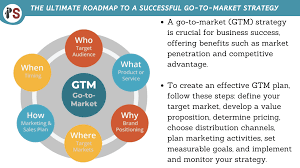
Market Plan Startergy defines how your sales team will convert leads into customers. That means, you will also have to draw up sales processes, lead qualification guidelines, KPIs, as well as enablement tools like sales scripts, pitch decks; objection-handed guides and CRM systems.The alignment with Sales should give everyone on the team a great product, positioning and competitive messaging. Good training, and ongoing communication ensures that your sales organization can execute the GTM strategy with confidence.A successful Go-to-Market plan requires that your sales tools and enablement strategy are fully aligned. Sales enablement ensures that your team has the resources, knowledge, and guidance necessary to engage prospects effectively and close deals efficiently. Without alignment, even the best sales team may struggle to communicate the product’s value or differentiate it from competitors.
Begin by equipping your sales team with tools such as CRM systems, pitch decks, case studies, objection-handling guides, and product demos. These resources should reflect the messaging, positioning, and value proposition outlined in your Market Plan Startergy. Regular training and updates ensure the team remains informed about product features, market changes, and competitive insights.By Market Plan Startergy aligning sales tools and enablement strategy, your team can confidently engage customers, streamline the buying process, and drive higher conversion rates. This alignment enhances productivity, consistency, and overall success of your product launch.
Map the Customer Journey to Ensure a Smooth Experience
A good Market Plan Startergy will break down each step a customer needs to take-from the first they’ve ever heard about your product, until they become a loyal advocate. Customer journey mapping helps you see how prospects move through awareness, consideration, purchase, onboarding, usage and retention.You should be able to improve customer experience and remove friction by addressing these areas. A seamless, enjoyable user journey leads to increasing satisfaction, retention and lifetime value which will boost your product’s success for years to come.Mapping the customer journey is a crucial step in delivering a seamless experience that guides prospects from awareness to purchase and beyond. Understanding each stage of the journey helps businesses anticipate customer needs, remove friction points, and provide the right support at the right time.
Begin by identifying the key touchpoints your customers encounter, including marketing campaigns, website interactions, product demos, sales conversations, onboarding, and post-purchase support. Analyze Market Plan Startergy how customers engage at each stage and pinpoint potential obstacles that could slow or block progress.Once the journey is mapped, tailor messaging, resources, and interactions to address customer expectations, answer questions, and deliver value at every step. A well-designed customer journey ensures consistent communication, builds trust, and increases satisfaction. By providing a smooth and guided experience, businesses can boost conversions, encourage repeat purchases, and foster long-term loyalty.
Define KPIs and Create the Feedback Loops
You need to measure for validating and performance also. Key metrics can be CAC, LTV, conversion rates, revenue growth or churn and engagement metrics or sales cycle length.You can collect Market Plan Startergy perspectives from customers, internal teams and market data with feedback loops. But by testing, lifting and rolling back campaigns all the time, you get to optimize your approach, fine-tune messaging and build a tighter product-market fit along the way. Defining key performance indicators (KPIs) and establishing feedback loops is essential to track the effectiveness of your Go-to-Market strategy. KPIs provide measurable benchmarks that help you evaluate whether your product launch, marketing efforts, and sales initiatives are achieving the desired results.
Common KPIs include lead conversion rates, customer acquisition cost, time to revenue, churn rate, and customer satisfaction scores.Equally Market Plan Startergy important are feedback loops, which allow your team to continuously gather insights from customers, sales teams, and marketing campaigns. By analyzing this feedback, you can identify areas of improvement, adjust messaging, refine processes, and optimize the overall strategy.Integrating KPIs with feedback loops creates a dynamic system of measurement and adaptation. This approach ensures that decisions are data driven, strategies remain aligned with market realities, and your product launch can evolve based on real world performance, ultimately maximizing growth and long-term success.
FAQs
Q1: Why is having a Market Plan Startergy important for the success of your product?
A Market Plan Startergy allows companies to successfully launch products, target the right customers, and minimize the risk of a doomed launching by having everything mapped out in terms of sales, marketing and customer experiences.
Q2: Who should be creating a Market Plan Startergy?
GO-TO-MARKET INFRASTRUCTURE Sales Founders Product Sales Marketing Typically, marketing leaders, product managers and sales directors or executives work together to develop an aligned and successful Go-to-Market plan.
Q3: Does every product require a Market Plan Startergy?
Yes. Whether introducing a game-changing product or a small feature, having a GTM plan accelerates the path to clarity, alignment and execution.
Q4: How much time does someone need to complete a Market Plan Startergy?
The time scale needed to be invested will depend on the complexity of the product and market in question, it can range from a couple of weeks up to a few months.
Q5: What is the distinction between a Market Plan Startergy and a marketing plan?
A marketing plan doesn’t include pricing, sales strategy, distribution, customer journey mapping or launch execution – a GTM plan does.
Q6: How frequently do you need to revise a Market Plan Startergy?
This strategy should be revisited frequently and especially after a voice of the customer (VOC) campaign, market or performance change.
Conclusion
A scalable Go To Market Plan Startergy is a critical success factor for getting to market effectively and achieving long term growth. And as you zero in on what your customers really need, hone your value proposition, price it right, pick the right sales channels and roll out a consistent marketing and sales strategy, you’re not only giving your product the support it needs to succeed but also positioning it for long-term growth. GTM plan will not just support the initial launch, but also become a framework for scaling and optimizing customer experience along with tightening product-market fit over the years. By thoughtfully planning, organizing across teams, and iterative data driven enhancement you can make your product move the needle, put up a fight, and survive in the market.
Leave a Reply